10 самых популярных пляжей в Бейликдюзю
21-01-2025 00:10
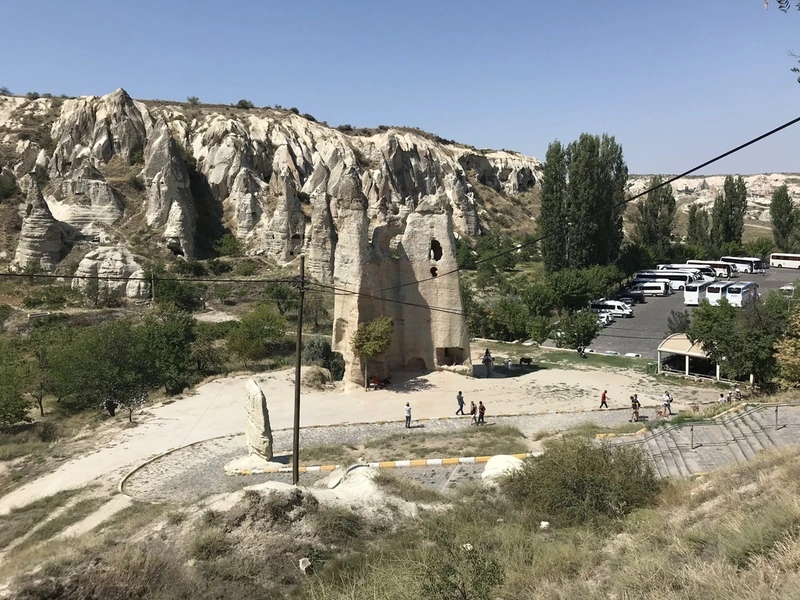
Turkeys diverse geography has created numerous natural monuments, ranging from unique geological formations to ancient forests and impressive cave systems. These sites offer insights into the countrys geological history and provide stunning landscapes for visitors. From the travertine terraces of Pamukkale to the fairy chimneys of Cappadocia, these natural wonders are integral to Turkeys appeal as a travel destination, preserved for their ecological and aesthetic value.
Turkey is a land rich in geological wonders, shaped over millennia by tectonic forces, volcanic activity, and erosion. These natural monuments are not just beautiful landscapes but also significant sites for geological study and ecological preservation. They range from surreal rock formations and vast cave systems to mineral-rich thermal springs and important wetlands. Visiting these sites offers a profound connection to the earth's powerful processes and Turkey's deep natural heritage. Each location tells a unique story of natural history, providing distinct experiences for travelers interested in geology, photography, and outdoor exploration.
When visiting natural monuments in Turkey, expect varying levels of accessibility and infrastructure. Many sites, like Pamukkale and Cappadocia, are well-developed for tourism with pathways, visitor centers, and guided tours. Others, especially certain caves or less-frequented natural parks, might require more independent exploration or local guidance. Comfortable walking shoes are essential, as is preparation for diverse weather conditions depending on the region and season. Expect , unique geological features, and opportunities for photography. Many sites are protected areas, so visitors are expected to follow guidelines to preserve their natural state.
The best time to visit Turkey's natural monuments largely depends on the specific location and your preferred activities. Spring (April-May) and Autumn (September-October) generally offer pleasant temperatures across most regions, ideal for outdoor exploration in places like Cappadocia and Pamukkale, avoiding extreme summer heat or winter cold. Summer (June-August) can be very hot, especially in inland and southern regions, but might be suitable for coastal areas or specific activities. Winter (November-March) can bring snow to Cappadocia, offering a unique, picturesque landscape, though some outdoor activities might be limited. Cave systems maintain a relatively stable temperature year-round.